Progressively frequent widespread laundering realm, pigging systems provide a considerable gain in administering detergent powders. This groundbreaking tactic minimizes excess of concentrated detergent by utilizing a pusher to transfer it through the conduit – effectively emptying the vessel. Knowing the fundamentals of these processes can result in financial benefits and a improved environmentally responsible practice.
Pigging Methods Reshape Detergent Logistics
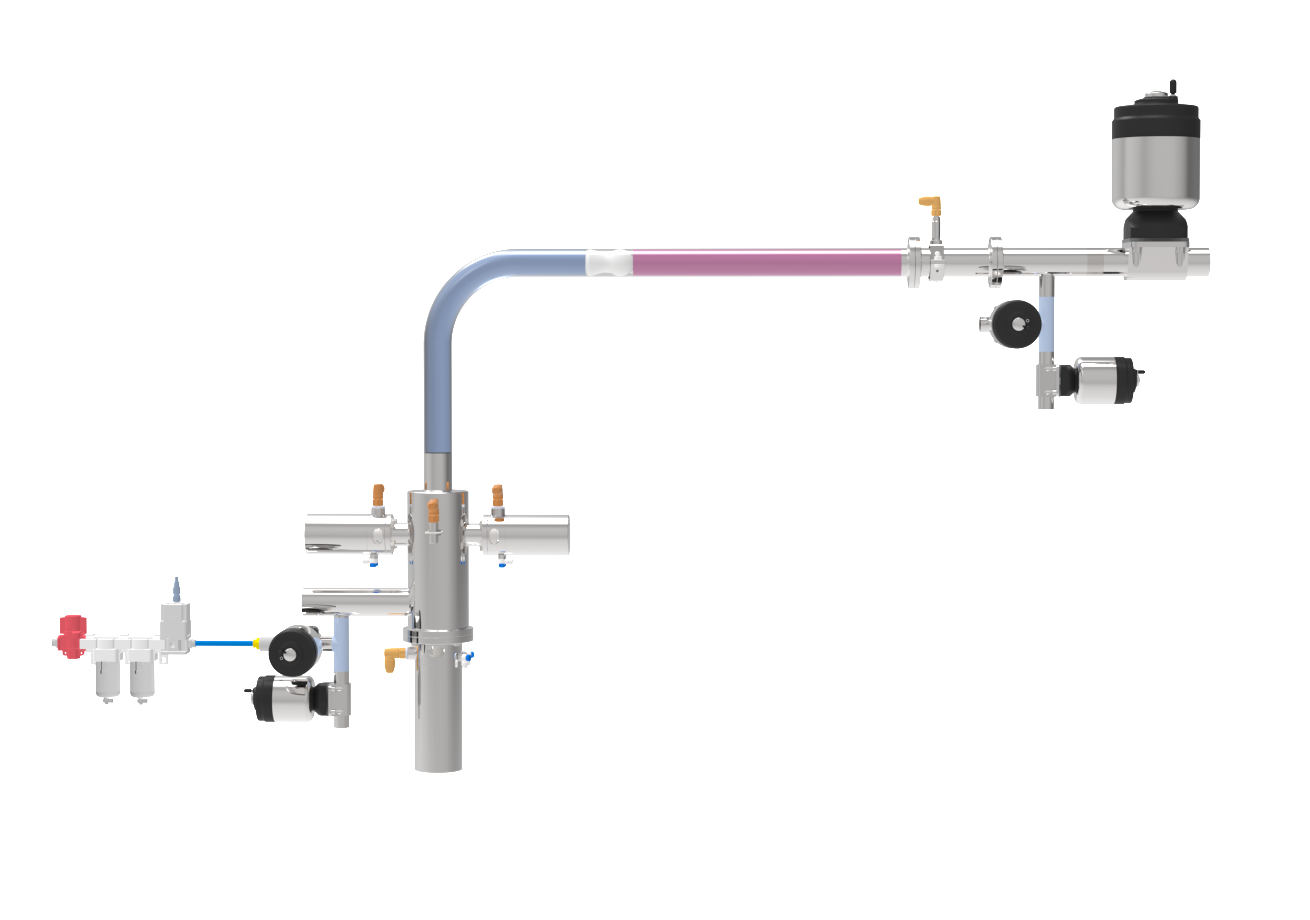
The customary method of delivering textile-washing detergent presents substantial challenges, often leading to discard and suboptimal operation. However, a modern approach – pigging systems – is completely remodeling how establishments handle these extensive materials. These systems utilize a elastic "pig," a dense implement, to propel the detergent through a passage, skillfully eliminating cavities and ensuring nearly entire product retrieval. Benefits include shrunk leftover, upgraded productivity, and a decreased environmental aftermath.
- Lowers detergent loss
- Increases working productivity
- Encourages conscientious practices
Optimizing Laundry Detergent Flow with Pigging Technology
Improving functionality in garment care facilities often involves addressing challenges related to detergent flow. Traditional systems frequently experience spillage due to residual detergent clinging to pipes and lines, leading to increased operational budgets. Pigging techniques, originally utilized in the fuel industry, provides a compelling remedy to this obstacle. By sending a “pig”—a specialized apparatus—through the detergent tubes, these systems effectively discard remaining product, maximizing output and minimizing inefficient material. This ultimately results in a more green and profitable laundry method for establishments.
Merits of Pigging for Detergent Powder Production
Implementing pipeline pigging offers significant pros for cleaning solution fabrication facilities. These systems reliably eliminate product traces from pipelines, minimizing discard and shrinking interruptions during servicing. Consequently, full output is strengthened, resulting in diminished charges and a more sustainable procedure. Furthermore, pusher technology helps to protecting reliability by preventing infusion between cycles and ensuring a hygienic final output.
Lowering Residue and Raising Efficiency: Laundry Cleaner Pigging
Laundry soap product manufacturing can generate significant excess material, but a advanced process called “pigging” offers a fix to curtail this problem. This system involves using a adaptable tool, the "pig," to expel remaining item from the generation lines, often discarded as scrap. By extracting this previously discarded laundry solution, companies can prominently diminish material costs and improve overall production output. The environmental boons are also considerable, as it reduces the amount of scrap sent to dumps.
- Minimizes Material Consumption
- Boosts Factory Performance
- Curtailed Environmental Damage
Employing Displacement Devices in Laundry Production
To improve manufacturing and diminish downtime in your laundry fabric cleaner fabrication operation, evaluate implementing a pigging system. This novel mechanism reliably eliminates excess formula and scale from pipelines, for this reason augmenting effectiveness and decreasing loss. A well-designed pipeline setup can also stretch the longevity of your pipeline scheme, giving rise to notable expense profits and a more renewable function.
Environmentally Responsible Laundry Pigging
The practice of laundry fabric pigging presents a attractive route towards a more laundry detergent pigging system conservation-minded environment. Often, leftover cleaning agent remains in vessels become waste material, bringing to planetary damage. However, this advanced technique involves acquiring these remaining figures and repurposing them into useful outputs, including soil conditioner or production ingredients.
- Shrinks landfill bulk
- Minimizes resource drain
- Offers a closed-loop monetary model
Building Pigging Frameworks for Detergent Tasks
The creation of a cleaning mechanism for clothing cleaner tasks presents unique problems. Diligent assessment must be given to the fluidity of the preparation, which can fluctuate considerably depending on blend and temperature level. Moreover, the coarseness of certain particles necessitates the selection of resistant displacer element and appropriate conduit formation. Productive pigging necessitates a definite load design to ensure thorough expulsion of extra preparation and prevent hindrances or damage to the duct framework.
Maintaining and Resolving Issues in Cleaner Fluid Pipeline Systems
Regular careful upkeep and prompt issue resolution are necessary for boosting the capability of laundry cleanser pigging configurations. Widespread issues include blockages within the pig, detergent buildup reducing flow, and sensor malfunctions. Routine inspections, including visual assessments of hoses, connectors, and the pig itself, are required. Resolving these problems swiftly – often through flushing the system or replacing worn components – can cut costly idle time and raise the usefulness of the entire construction.