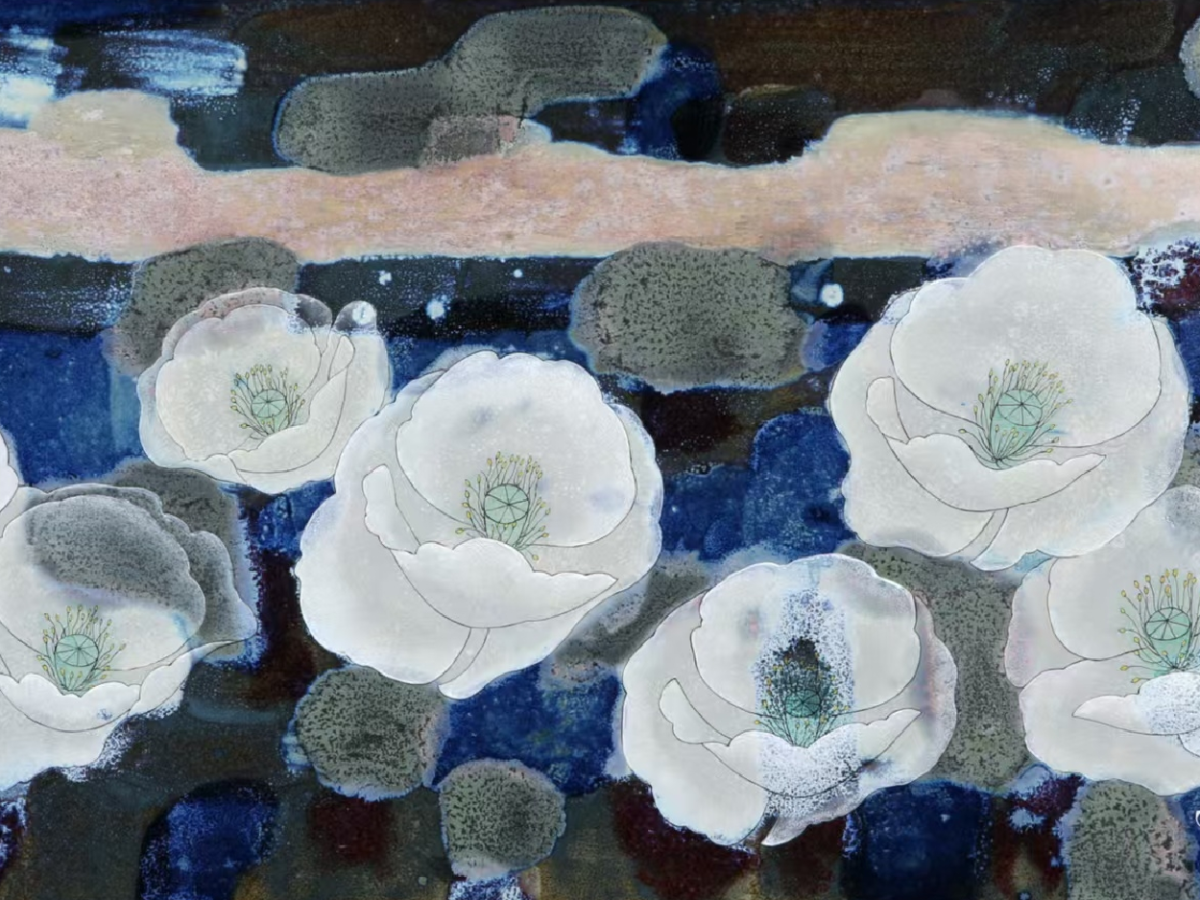
Porcelain work reflects a exceptional practice variety with a prolonged heritage, stretching back myriad of periods. From ancient vessels to current setups, the medium offers incomparable possibilities for creative performance. Creators apply distinct techniques – including hand-building, wheel shaping, and developed firing processes – to fashion humble silt into evocative three-dimensional forms. The sturdiness of fired brick also contributes to its status as a truly lasting part of human history.
Delving into Stoneware Sign Compositions and Techniques
The field of ceramic panel design offers a broad array of expressive possibilities. Makers often engage a variety of traditional and recent techniques to form visually spectacular pieces. These can stretch from simple, shaped reliefs to complex, multi-layered compositions. Common methods include the slip cast process, hand shaping, surface glazing – which can involve a range of forms like pre-firing decoration, final glaze adornment, and incised illustration where designs are highlighted by excavating a layer of shell. Extended research into exterior stylings such as cold firing and shimmer glaze can bring about truly exceptional and bespoke stoneware panels.
- Mold Making - Creating pieces using a frame
- Physical Construction - Meticulously shaping the soil
- Coating - Coating the surface with a smooth finish
- Engraved motif - Disclosing designs by removing surfaces
Entrancing Experiences: Porcelain Art Exhibits
The maturing landscape of visual arts presents exciting original avenues for audiences, and ceramic art installations are at the apex of this revolution. These aren't just static forms; they are fabricated to envelop the viewer in a sensory experience. Imagine venturing into a forest of towering, polished ceramic trees, or navigating a network of refined ceramic vessels. Many craftsmen are now incorporating audio, brightness, and even aroma to enhance the atmosphere of their work. Imagine the power of a room filled with hundreds of individually ceramic forms, each telling a tale. Typically, such installations delve into themes of nature, nostalgia, and personhood.
- Such installations blur the limits between sculpture and construction.
- Observing a ceramic art installation can be a deeply transformative journey.
- Craftsmen are pushing the frontiers of what is possible with clay.
One Beauty of the Porcelain Vase: Utility and Formation
The pottery receptacle represents a lovely amalgamation of utility and decorative appeal. Historically, these vessels served a minimalist job in storing substances, but their evolution has transformed them into highly valued works of expression. Each component showcases the skill of the artisan, demonstrating how contour can be as important as role. The thoughtful shaping, the unique glazes, and the complete presence of a artfully-produced vase can transform a space, offering both appeal and a gentle reminder of the creative hand.
Up-to-date Stoneware Sculpture : Extending Edges
Latest brick sculpture represents a fascinating departure from conventional practices. Artisans are intensely experimenting with innovative approaches, softening the frontiers between design and different artistic mediums. From expansive installations to delicate miniature pieces, those works study themes of individuality while in unison recasting the basic of what brick can demonstrate. The upshot is a forceful landscape of creative expression.
Ceramic Plaque: Safeguarding History in Clay
Ceramic plaques offer a unique method for noting significant events and souls. Distinguished from traditional metal or stone markers, these enduring pieces of handiwork are formed from treated clay, creating a palpable link to the preceding days. Generally, they showcase intricate sculptures or artistically decorated imagery, illustrating stories that might otherwise be lost. The technique, going back to ancient communities, provides a elegant and durable One Hundred Blooms way to celebrate our collective story.
- These particular can be established in open spaces.
- Countless are now deemed historical wonders.
Terracotta Art Showcases: Altering Spaces
Terracotta art installations are arising a compelling medium for artists to reconstruct public and private spaces. These immersive pieces frequently involve significant clay figures that surround viewers, redirecting their view of the constructed environment. By infusing diverse procedures like slab forming and comprehensive firing systems, ceramic artists produce truly extraordinary experiences, softening the thresholds between craft and space. The impact is often a impactful evolution that uplifts the expressive quality of the location and encourages discussion.
Origin Spin Tool to Miracle: The Process of the Pottery Vessel
The journey of a earthenware receptacle from a simple lump of material to a finalized work of design is a testament to human resourcefulness. Initially, the process originates with the potter’s spinning device, where the masterful artisan shapes the whirling loam into a cylindrical structure. This beginning stage demands exactness and a acute eye, followed by a delicate firming period. Once rough-fired, the vessel is ready for ornamentation, which may require painting intricate arrangements, incising detailed scenes, or adding a array of textures. The last cooking process then evolves the piece into a durable and exquisite holder, a tangible demonstration of the artisan's skill.
Shaping with Brick: A Guide to Clay Design
Plunging the sector of pottery creation begins with learning the cornerstones of molding with clay. The procedure demands attentively constructing and cutting material to form three-dimensional pieces. Regardless of you're a learner or a expert sculptor, engaging with alternative forms of brick – namely earthenware – will help you discover your individual approach. Finally, pottery pottery is a fulfilling adventure that unites technical skill with creative expression.