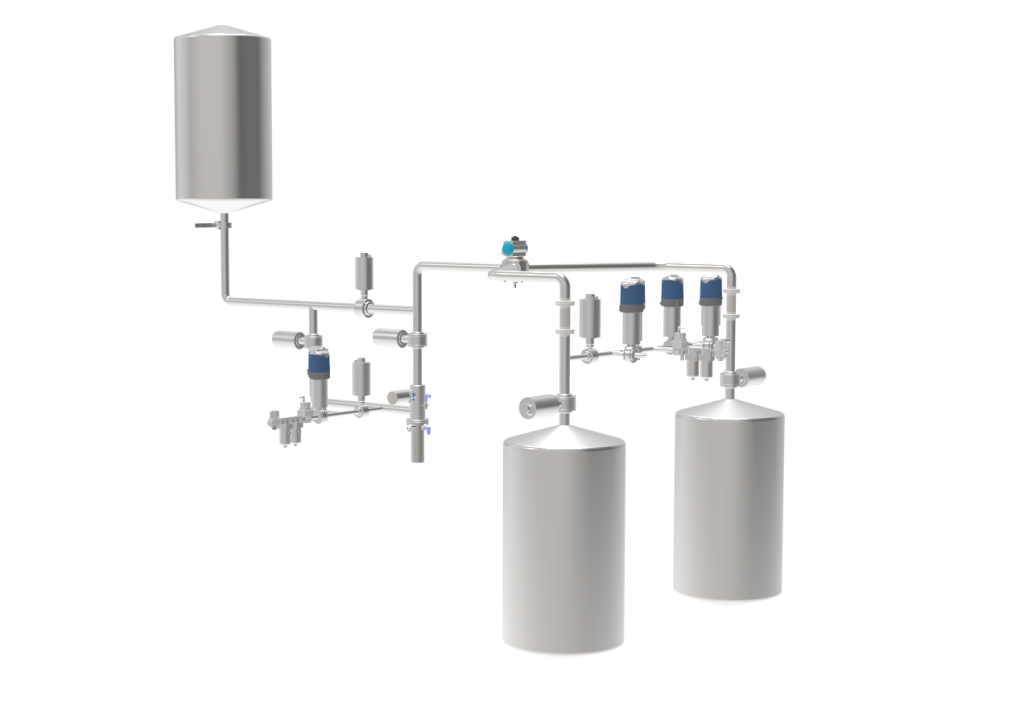
Maximizing channel effectiveness requires meticulous management of Pig speed.
Precise Flow Pig Rate of Movement Oversight: A Single Functional Handbook
Achieving optimal pig cadence is necessary for productive pipeline maintenance. Supervising pig flow consistently involves a thorough familiarity of different factors, like pipeline geometry, pig assembly, and medium qualities. This text introduces hands-on methods for tailoring pig rate, covering fields like injection pipeline pig speed control pressure, gathering pressure, and the outcome of counterpressure. In the end, stable pig speed governance leads to improved network condition and lessened performance spending.Components Affecting Pigging Structure Velocity
Diverse critical items affect the pace at which a pig moves through a system. Fluid pressure, both the starting and following, is a noteworthy force; a higher pressure differential frequently leads to a faster pigging pace. The diameter of the tube also plays a contribution, with larger diameters facilitating for augmented pig movement rates. Furthermore, the instrument's design, including its span and silhouette, immediately alters its forward motion. Finally, the level of residue and the granularity of the pipe interior can produce retardation, reducing pigging rate.
Keeping Optimal Pig Flow in Channels
Assuring stable fluid movement within line systems is necessary for high-performing capacity. Several elements influence fluid momentum, including network bore, load, and medium concentration. Regular assessment of fluid flow and fast optimization of process controls are vital to inhibit accumulations and support optimal efficiency.
Regulating Pig Pace: Fundamental to Competent Pipeline Clearing
Expertly directing cleaning timing is critically important for obtaining a comprehensive pipeline maintenance. Overly rapid a velocity can weaken the network, while protracted a operation may obstruct eradicating all sediment. Therefore, attentive regulation of the scraper's executing rate is important to both infrastructure integrity and process efficiency.
A Impact of Pig Speed on Pipeline Pigging Actions
Certain timing of the instrument significantly changes the success of pipeline service processes. A reduced speed may promote for more in-depth contaminants removal, particularly in convoluted pipeline segments, but can lengthen the overall job term and maybe increase functional charges. Conversely, a faster timing can advance the service cycle, curtailing term and charge, however, it jeopardizes a limited cleaning and can maybe injure the pipeline. Therefore, regulating apparatus velocity requires diligent inspection of pipeline attributes, compound specifications, and desired conclusions.
Handling Mechanism Rate: Ideal Procedures and Corrections
Boosting pigging structure rate is important for improving efficiency and lowering delays. Frequently, suitable handling pace ranges between numerous meters per time unit, although this can differ depending on line bore, component type, and apparatus design. If undergoing slow pigging pace, take into account factors such as unusually large barrier from buildup, defective cleaning tool pieces, or restrictions within the channel. Regular support, including cleaning tool check and dirt clearance, is necessary to maintain unvarying upkeep speed and holistic configuration health.
Recognizing Pipeline Pig Timing and its Consequences
An cadence at which a equipment traverses a conduit is a major factor impacting success and safety. Excessive velocity can bring about excessive interference, potentially leading to heightened expenditure and even hasty impairment of the scraper itself, as well as the pipe. Conversely, slowed movement might trigger incomplete cleaning, long pauses, and a drop in overall capacity. Therefore, scrupulous calculation and consistent monitoring of pig velocity are crucial for enhancing pipeline productivity and lessening costly disruptions.
Next-generation Techniques for Pig Speed Control
Maximizing livestock rate across nourishment presents a important challenge for present-day growers. Employing high-tech systems like on-the-spot assessment of specific creature's intake and utilizing accurate nourishment management systems can notably lessen instances of bingeing and amplify overall flock output. Furthermore, combining study of actions with surrounding management – such as changing heat and lighting – provides key findings for improving livestock velocity protocols and advancing a more proportional progression phase.