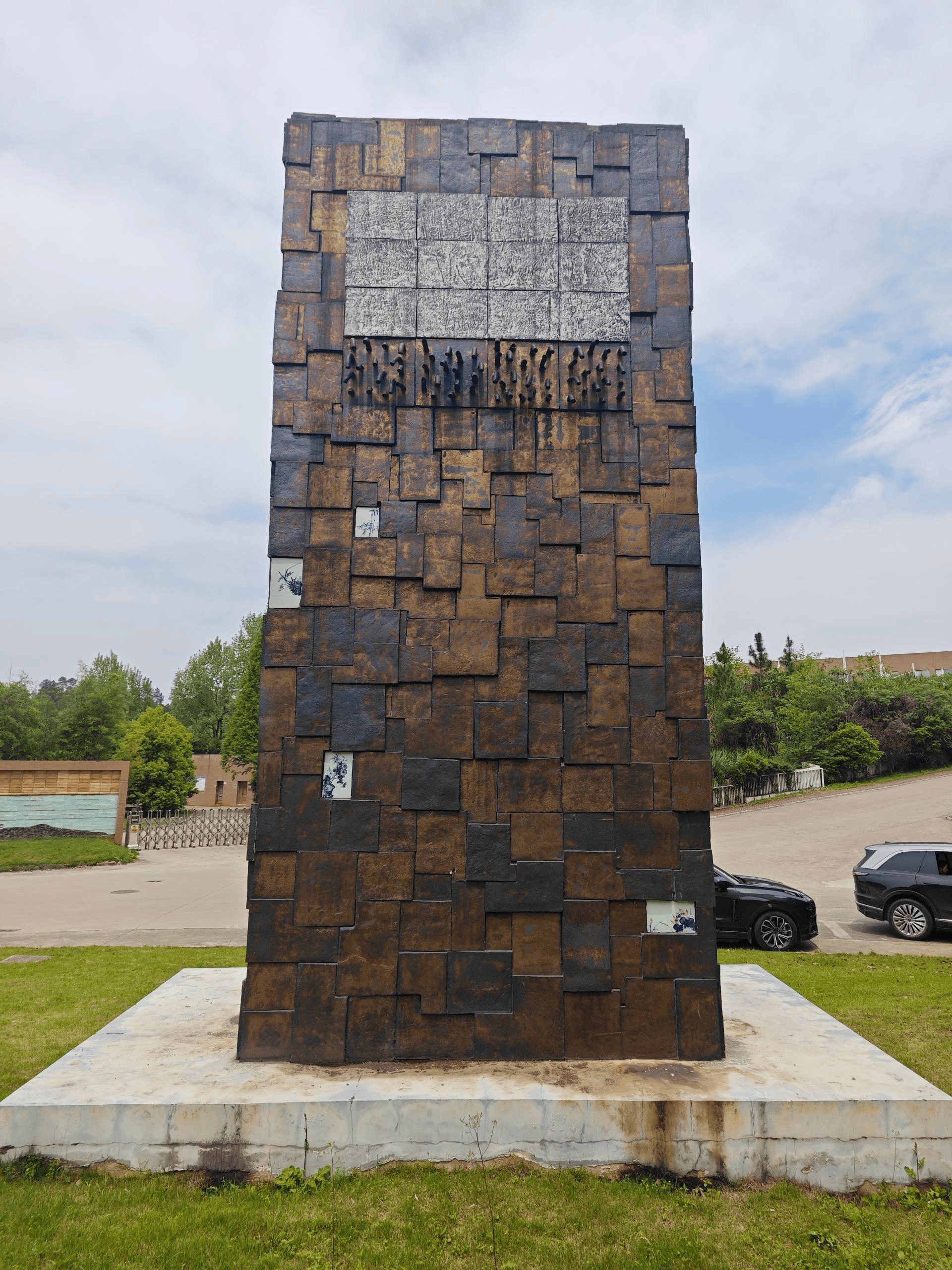
Ceramic statue embodies a distinguished discipline class with a expansive background, covering back legions of eras. From ancient holders to state-of-the-art exhibitions, the matter offers unique possibilities for creative manifestation. Artisans use several techniques – including constructing, wheel throwing, and sophisticated firing processes – to manufacture humble earth into stunning three-dimensional objects. The sturdiness of fired brick also contributes to its status as a truly lasting part of human heritage.
Examining Earthenware Marker Arrangements and Practices
The landscape of ceramic emblem design offers a considerable array of creative possibilities. Artists often utilize a combination of time-honored and new techniques to construct visually eye-catching pieces. These can cover from simple, etched reliefs to complex, multi-layered designs. Widely practiced methods include shape forming, hand building, glazing – which can involve several approaches like sub-glaze artwork, final glaze adornment, and incised illustration where designs are highlighted by stripping a layer of surface. Extra examination into external finishes such as rapid firing and lustering can produce truly unique and bespoken clay tablets.
- Form Casting - Forming pieces using a mold
- Forming by hand - Accurately crafting the material
- Glaze Application - Smearing the layer with a shiny finish
- Scratched design - Making visible designs by stripping finishes
Immersive Experiences: Brick Art Presentations
The developing landscape of culture presents exciting cutting-edge avenues for participants, and ceramic art installations are at the summit of this revolution. These aren't just static forms; they are fabricated to envelop the viewer in a sensory experience. Imagine travelling across a forest of towering, coated ceramic trees, or navigating a labyrinth of detailed ceramic vessels. Many makers are now incorporating noises, lighting, and even smell to enhance the impression of their work. Think about the power of a room filled with hundreds of delicately ceramic items, each telling a fable. Regularly, such installations probe themes of natural world, remembrance, and people.
- They installations blur the limits between statue and structure.
- Interacting with a ceramic art installation can be a deeply meaningful journey.
- Producers are expanding the edges of what is conceivable with clay.
Any Allure of the Porcelain Vase: Role and Formation
The earthenware holder represents a remarkable mixture of utility and decorative appeal. Historically, these holders served a rudimentary role in supporting objects, but their evolution has transformed them into highly valued works of expression. Each component showcases the skill of the artist, demonstrating how outline can be as pressing as purpose. The attentive shaping, the one-of-a-kind glazes, and the overall presence of a expertly-built holder can raise a space, offering both elegance and a understated reminder of the artisan’s hand.
Contemporary Clay Work : Reaching Perimeters
Contemporary clay work represents a fascinating transition from time-honored practices. Builders are increasingly pushing with original strategies, overlapping the borders between craft and other creative fields. From expansive installations to fine miniature pieces, aforementioned works study themes of heritage while coincidingly recasting the basic of what brick can demonstrate. The upshot is a forceful sector of inventive expression.
Ceramic Plaque: Keeping Annals in Brick
Porcelain plaques offer a exceptional method for commemorating significant events and personalities. In contrast to traditional metal or stone markers, these lasting pieces of creation are formed from cooked clay, creating a concrete link to the former times. Frequently, they showcase intricate sculptures or vividly colored imagery, narrating stories that might otherwise be ignored. Such technique, originating in ancient civilizations, provides a ceramic art installation lovely and eternal way to pay tribute to our collective legacy.
- These can be disposed in collective spaces.
- Countless are now regarded historical artifacts.
Porcelain Art Showcases: Changing Spaces
Terracotta art installations are arising a compelling medium for artists to transform public and private spaces. These immersive works frequently involve significant clay structures that captivate viewers, reshaping their view of the constructed environment. By combining diverse approaches like hand-building and complicated firing approaches, ceramic artists fashion truly uncommon experiences, dissolving the frontiers between design and venue. The consequence is often a poignant metamorphosis that elevates the sensory quality of the place and initiates reflection.
Genesis Spinning Device to Delight: The Technique of the Stoneware Pot
The journey of a terracotta pot from a simple lump of loam to a finished work of mastery is a testament to human ingenuity. Conventionally, the process kicks off with the potter’s turntable, where the expert artisan molds the revolving clay into a cylindrical figure. This introductory phase demands sharpness and a disciplined eye, followed by a delicate firming period. Once rough-fired, the vessel is ready for ornamentation, which may comprise painting intricate arrangements, incising detailed scenes, or adding a array of textures. The last cooking process then evolves the piece into a durable and remarkable jar, a tangible demonstration of the artisan's skill.
Crafting with Porcelain: A Guide to Clay Work
Immersing the sector of ceramic craft begins with mastering the basics of shaping with ceramic material. That process requires methodically applying and excising stuff to generate three-dimensional objects. Whether you're a beginner or a experienced craftsperson, trying with diverse classes of stoneware – particularly clay – will facilitate you explore your special manner. In conclusion, porcelain shaping is a worthwhile quest that merges skilled know-how with inventive demonstration.